
Sun Protection: Myths and Facts
Summer in Portugal: A Land Soaked in Sunshine
Summer has arrived in Portugal, and tourists are flocking to this sun-kissed land to enjoy a well-deserved vacation. Whether you're visiting or fortunate enough to call Portugal home, one thing is certain: the sun is a major draw.
Portugal's allure extends beyond its stunning beaches and vibrant cities; it's the abundance of sunshine that truly sets this country apart. With over 3,000 hours of sunlight per year, Portugal is a haven for sunseekers, offering endless opportunities to soak up the warmth and bask in the golden rays.
Sun can be harmful to our skin
Sunlight is wonderful, but it can also be harmful to our skin. Too much exposure to UV radiation can lead to sunburn, premature aging, and even skin cancer. Fortunately, we can protect ourselves from this with sunscreen, clothing, and by being smart about the sun. In this text, we will list the facts and myths about sun protection.
Myths and facts about sun protection
Myth: Children need the same sun protection as adults.
Wrong! Children's skin is much more sensitive to UV radiation than adults'. If they burn, they are more likely to develop skin cancer later in life. Therefore, always use a sunscreen with an SPF of at least 30 for children and keep babies under 1 year old out of the sun altogether.
Fact: You also need to protect yourself if it's cloudy or you're in the shade.
Right! UV radiation penetrates clouds and is also reflected by sand, water, and snow. So even if you're not in direct sunlight, you can still get burned. Therefore, always apply sunscreen if you are going outside for more than 15 minutes.
Myth: You can't get sunburned on a cold day.
Wrong! The amount of UV radiation that reaches the Earth has nothing to do with the temperature. So you can also get sunburned on a cold winter day. Note: snow and ice reflect UV radiation extra, so the sun's strength can be higher than you think.
Fact: Clothing protects against the sun.
Right! Most clothing items protect well against UV radiation. However, note that the lighter the color and the thinner the fabric, the more UV radiation can pass through. For example, a white T-shirt has an SPF of 15. Are you going outside for a long time or is your skin sensitive? Then there is special UV-protective clothing with an SPF of 50, which even protects you when it is wet.
Myth: You need a tanning bed for vitamin D.
Wrong! You can also make vitamin D by going in the sun. 15-30 minutes a day with your face, hands, and forearms uncovered in the sun is sufficient for most people. Note: children should always be protected with sunscreen.
Myth: Protection is not necessary if I am sitting behind glass.
False! There are two types of UV radiation: UVA and UVB. UVB radiation can cause direct damage and does not penetrate glass. UVA radiation, on the other hand, does come through glass, albeit to a lesser extent. This radiation can penetrate deep into your skin and lead to premature aging and skin cancer in the long term. So protect yourself even if you are sitting in the sun behind glass for a long time, for example during a long car ride.
Myths and facts about sunscreen
Myth: Sunscreen is carcinogenic.
Wrong! Sunscreen contains substances that protect you from UV radiation. These substances have been extensively tested and found to be safe. There are strict European regulations for the production of sunscreen, which prohibit carcinogenic substances.
Fact: A cheap sunscreen is just as good as an expensive brand.
Right! The effectiveness of sunscreen has nothing to do with the price. The price differences are often due to extra ingredients, such as perfume or dyes. Choose a sunscreen with an SPF of at least 30 and a UVA filter, regardless of the price.
Myth: Applying once a day is enough.
False! Apply sunscreen every 2 hours, or more often if you have been swimming, sweating, or drying yourself off. Note: Sunscreen loses its effectiveness over time, so reapply even if you are in the sun for a long time, even if you are using water resistant sunscreen.
Fact: Sunscreen does not last for years.
Right! Most sunscreens have a shelf life of 12 months after opening.
Fact: You need to apply sunscreen even with a dark skin tone.
Right! People with dark skin tones burn less quickly than people with light skin tones, but they can still burn. So always apply sunscreen, regardless of your skin tone.
Myth: With waterproof sunscreen, you only need to apply once a day.
False! Waterproof or water resistant means that the sunscreen stays on your skin better when swimming, but it does not mean that you do not need to reapply it. Always reapply after swimming, sweating, or drying off, even if you are using water resistant sunscreen.
More myths
- By sun training, you get used to the sun and don't need sunscreen anymore. This is not true. Your skin may burn less quickly, but that does not mean you are protected from the harmful effects of UV radiation. Keep applying sunscreen
- It's not a big deal to get a little sunburned. This is false. Sunburn is harmful to your skin and can lead to skin cancer in the long term. Prevent sunburn by protecting yourself with sunscreen, clothing, and being smart about the sun.
- We didn't need sunscreen in the past because we handled the sun more naturally. This is not true. The sun has always been harmful to our skin. Nowadays, we live longer and go on vacation to sunny areas more often, which means we are exposed to more UV radiation. So protection is more important than ever.
- You need to receive UV light in your eyes. When you wear sunglasses, you make sure that you will never be able to see well in light. This is not true. Sunglasses protect your eyes from the harmful effects of UV radiation, which can lead to cataracts and macular degeneration. Always wear sunglasses with UV protection when you go out in the sun.
- It's not smart to wear sunglasses in the morning because your brain will think it's evening. This is not true. Wearing sunglasses in the morning has no effect on your biological clock. Always protect your eyes from the sun, regardless of the time of day.
Mineral vs. Chemical Sunscreen: Unveiling the best choice for sun protection
As the sun graces us with its warmth and radiance, it's crucial to shield our skin from its harmful UV rays. Sunscreens come in two main varieties: mineral and chemical, each with its own unique characteristics and benefits. Understanding the differences between these two types can help you make an informed decision about which sunscreen is best suited for your needs.
Mineral Sunscreen: A physical barrier against UV rays
Mineral sunscreens, also known as physical sunscreens, act as a physical barrier on the skin, reflecting UV rays away from the body. The active ingredients in mineral sunscreens, typically titanium dioxide and zinc oxide, sit on top of the skin, creating a protective shield.
Advantages of mineral sunscreen
- Broad-spectrum protection: Mineral sunscreens offer broad-spectrum protection against both UVA and UVB rays, the primary culprits of sun damage and skin cancer.
- Immediate protection: Mineral sunscreens provide immediate protection upon application, eliminating the need for a waiting period before venturing into the sun.
- Safe for sensitive skin: Mineral sunscreens are generally considered safe for sensitive skin, as they are less likely to cause irritation or allergic reactions.
Drawbacks of mineral sunscreen
- White cast: Mineral sunscreens can leave a white or zinc cast on the skin, especially when applied generously. This can be a cosmetic concern for some individuals.
- Thicker consistency: Mineral sunscreens tend to have a thicker consistency than chemical sunscreens, which some may find less pleasant to apply.
Chemical sunscreen: Absorbing UV rays for defense
Chemical sunscreens work by absorbing UV rays and converting them into heat, which is then released from the skin. The active ingredients in chemical sunscreens penetrate the skin's outer layers, where they intercept and neutralize UV radiation.
Advantages of chemical sunscreen
- Lightweight and easy to apply: Chemical sunscreens typically have a lightweight, non-greasy texture that is easy to spread and blend into the skin.
- Less visible on the skin: Chemical sunscreens generally do not leave a white cast on the skin, making them a popular choice for those who prefer a more natural look.
- Water-resistant options: Many chemical sunscreens are available in water-resistant formulas, making them suitable for water activities and sports.
Drawbacks of chemical sunscreen
- Potential for irritation: Some chemical sunscreens may contain ingredients that can irritate sensitive skin.
- Waiting period for protection: Chemical sunscreens typically require 15-20 minutes after application to reach full effectiveness.
Choosing the right sunscreen for you
The best sunscreen for you depends on your individual needs and preferences. Consider factors such as your skin type, sensitivity level, desired level of protection, and cosmetic preferences when making your decision.
For those with sensitive skin or those who prefer immediate protection, mineral sunscreens may be a good choice. If you prefer a lightweight, non-greasy sunscreen that blends well into the skin, chemical sunscreens may be a better option.
Regardless of the type you choose, ensure that the sunscreen you select has an SPF of 30 or higher and provides broad-spectrum protection against UVA and UVB rays.
Additional tips for sun safety
- Check the sun index: The sun index is a measure of the intensity of UV radiation at the Earth's surface. It is a good idea to check the sun index before going outside and to take extra precautions if the index is high.
- Seek shade during peak sun hours: The sun is strongest between 10 AM and 4 PM. If possible, seek shade during these hours, especially for babies and young children.
- Stay hydrated: Drink plenty of fluids to stay hydrated, especially when you are spending time in the sun.
- Be aware of medications: Some medications can make your skin more sensitive to the sun. Talk to your doctor about any concerns you have.
- Regularly examine your skin: Check your skin for any new or changing moles or spots. If you notice anything unusual, see a doctor right away.
By following these tips, you can help protect yourself from the harmful effects of the sun and enjoy the outdoors safely.
Sun protection for children
Here are some tips to keep your child safe in the sun:
- Seek shade: Keep your child out of the sun between 12 PM and 3 PM. The sun's intensity is highest during this time, and your child's skin can burn faster. Seek shade during this period. However, even in the shade, you can still get burned, so always apply sunscreen to your child.
- Cover up: Protect your child with (UV-protective) clothing. Regular, loose-fitting, and breathable clothing usually provides good protection. Think about clothes with long sleeves and pants.
- Hats and sunglasses: A hat or cap provides good protection for the face, head, neck, and ears. A good pair of sunglasses protects their sensitive eyes.
All about sunscreen
Sunscreen comes in many varieties. What should you consider when buying sunscreen? And how do you know it's good? How long can you actually store it? Here you will find all the information about sunscreen.
Choosing a good sunscreen
Everyone's skin is different. How quickly your skin tans in the sun is hereditary and doesn't change, regardless of how much time you spend in the sun.
Sun Protection Factor (SPF)
When buying sunscreen, consider the appropriate SPF for your skin type. The sun protection factor is indicated by SPF (Sun Protection Factor) on the packaging. It's best to use at least SPF 30 with a UVA filter.
Sunscreen for children
The recommendation for children is also to use a minimum SPF of 30 with a UVA filter. Keep babies under 1 year old out of the sun completely.
Skin type
Your skin type is determined by the amount of pigment in your skin. There are different skin types. The lighter your skin, the faster you burn. Here's a general rule: protect yourself with at least SPF 30.
UV radiation and sun index
Sunlight partly consists of UV radiation. This radiation can burn your skin. The sun index indicates how much UV radiation reaches the Earth and how quickly you can burn in the sun. You should definitely protect yourself from the sun from a sun index of 3. From a sun index of 5, the risk of skin damage is high. It's best to stay out of the sun as much as possible at this point.
I hope this information helps you enjoy the sun safely while being in Portugal and develop a healthy tan while taking care of your skin!
This information is brought to you by Lovitall.pt, we inform you about a Healthy Life in Portugal
Follow us on Facebook and Instagram

Stay safe while making a splash: Essential swimming safety tips
Summer arrived: Swimming Safety tips
Swimming is a fantastic way to cool down on a hot summer day, get some exercise, and have fun with friends and family. But whether you're diving into a refreshing pool or enjoying the natural beauty of a lake, it's crucial to prioritize swimming safety. Here, we'll explore essential safety tips to ensure a healthy and enjoyable swimming experience.
Freshwater fun with safety first
If you prefer the natural environment of lakes or rivers, always check the local water quality reports before taking a dip. Contaminated water can harbor harmful bacteria, viruses, and parasites that can cause illness.
Beware of algal blooms
Those vibrant green patches on the water's surface – algal blooms – might look inviting, but they're best avoided. These blooms can harbor toxins that can irritate your skin, eyes, or even cause respiratory problems.
Minimize water swallowing
It happens – a splash in the face, a playful dunk – but try to avoid swallowing pool or freshwater while swimming. Accidental ingestion can introduce harmful microorganisms into your body.
Shower before and after the take a dip
Taking a quick shower before entering the pool or lake removes sweat, dirt, and lotions that can contaminate the water. Showering again after swimming washes away any residual chlorine or bacteria on your skin.
Dry thoroughly, especially your ears
Don't forget to dry off completely after swimming, paying particular attention to your ears. Moisture trapped in the ear canal can create a breeding ground for infections like swimmer's ear.
Fresh clothes after the fun
Avoid lounging around in wet clothes after swimming. Put on dry clothes to prevent skin irritation and potential infections from lingering moisture.
Open wounds and swimming don't mix
If you have any open cuts or wounds, it's best to avoid swimming. Open wounds can become infected more easily in water.
Diarrhea? Stay out of the water
Recently had diarrhea? Hold off on swimming for at least two weeks. This simple step helps prevent spreading the illness to others who might share the water.
Maintaining pool hygiene for everyone's safety
Public pools offer a refreshing escape, but it's important to be aware of pool hygiene practices. Proper chlorine levels are essential for effective water disinfection. Additionally, pool operators should take steps to minimize bacterial and urine contamination.

Chlorine and your health
Chlorine is the primary disinfectant used in pool water. While it's effective in killing many germs, it's not foolproof. High water temperatures or heavy pool use can affect chlorine's effectiveness.
The red-eye myth
Red, irritated eyes after swimming? It's not always the chlorine's fault! The culprit might be a combination of chlorine reacting with sweat and urine residues in the water.
Beyond urine: fecal contamination matters
Traces of fecal matter pose a more significant health risk than urine. Maintaining proper pool hygiene and encouraging good swimming etiquette are crucial in preventing fecal contamination.
Simple tips for a healthy pool experience
- Shower before swimming: Showering removes sweat, urine traces, and other contaminants before entering the pool.
- No peeing in the pool: This may seem obvious, but it's an important reminder, especially for children.
- Be mindful and respectful: Avoid contaminating the water and becoming infected yourself. Don't swim if you're sick, and take frequent bathroom breaks for children.
- Avoid water jets: Refrain from sitting or playing directly in water jets to minimize exposure to potential contaminants.
By following these swimming safety tips and promoting good pool hygiene practices, you can ensure a healthy and enjoyable experience for yourself and others.
Safe swimming for kids: A splash of fun with peace of mind
Swimming is a fantastic activity for kids, offering exercise, fun, and a chance to cool off on hot days. But ensuring their safety is paramount. Here are some key points to remember:
- Always supervise children closely around water. Never leave them unattended, even in shallow areas.
- Teach them basic water safety skills. Enroll them in swimming lessons if possible.
- Emphasize the importance of not swallowing pool water or lake water.
- Instruct them to use the bathroom before entering the pool.
- Remind them not to run around the pool or engage in rough play.
Remember: Safety is always the top priority when enjoying a refreshing swim.
Published by: Lovitall.pt - Health related events organizer
Follow us on Facebook and Instagram!
Stay Safe at the Beach: Don't Get Caught in a Rip Current in Portugal!
Hey beach lovers heading to Portugal's stunning coastline this July! While you soak up the sun and refreshing Atlantic waters, be aware of a hidden danger: rip currents (known locally as "correntes de retorno" or "agu eiros"). These powerful currents can unexpectedly pull even strong swimmers out to sea.
What are rip currents
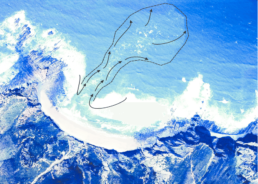
Imagine a strong underwater river flowing out to sea. That's essentially a rip current. They form naturally due to variations in the seabed and can appear anywhere along the coast, even on calm days.
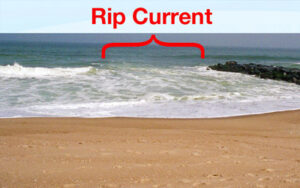
Why are rip currents dangerous?
- Rip currents pull people away from shore.
- Rip current speeds can vary from moment to moment and can quickly increase to become dangerous to anyone entering the surf.
- Rip currents can sweep even the strongest swimmer away from shore.
How to Avoid Rip Currents in Portugal
- Swim at Patrolled Beaches: Lifeguards are trained to spot rip currents and can warn you of dangers. Look for beaches with lifeguard towers, especially if you're traveling with children.
- Ask Lifeguards: Before hitting the waves, ask lifeguards about current conditions and any areas to avoid.
- Swim Between the Flags: Many beaches have designated swimming zones marked by flags. These areas are typically free of strong currents and offer the safest swimming experience.
- Be Aware of Your Surroundings: Look for signs of rip currents, which can include:
- Choppy water
- Discolored water moving out to sea
- Lines of foam or debris moving offshore
What to do if caught in a Rip Current
- Stay Calm! Don't panic and do not fight against the current. This will only tire you out.
- Don't Swim Directly Back to Shore: You'll likely get even more exhausted.
- Swim Parallel to the Shore: Once you're out of the strongest current, calmly swim sideways until you escape the rip's pull. Then, swim back to shore at an angle.
- If You Can't Swim, Float on Your Back and Call for Help: Signal to lifeguards or wave your arms to attract attention.
Remember:
- Always supervise children closely at the beach.
- Never enter the water alone, especially if you're not a strong swimmer.
- If you're unsure about anything, ask a lifeguard.
By following these tips and being aware of rip currents, you can have a safe and enjoyable beach experience in Portugal!
Portugal's Stunning Beaches
Portugal boasts a breathtaking coastline stretching over 1,100 kilometers, offering a haven for beach lovers. From the golden sands of the Algarve to the dramatic cliffs of the north, there's a perfect beach for everyone. But with such beauty comes hidden dangers, and rip currents are a significant concern.
Safe Beaches in Portugal
While rip currents can appear anywhere, some beaches are naturally safer due to their geography. Here are a few tips for choosing a safe beach:
- Look for Blue Flag Beaches: The Blue Flag program recognizes beaches that meet strict environmental and safety standards. These beaches are often patrolled by lifeguards and have designated swimming zones, making them ideal for families.
- Consider the Algarve: The southern Algarve region is known for its calm waters and long stretches of sandy beaches. Popular options include Praia da Marina (Vilamoura), Praia dos Três Irmãos (Alvor), and Praia da Falésia (Oljão).
- Explore the North: The north coast offers a wilder beauty with dramatic cliffs and hidden coves. Praia de Carcavelos (Cascais) and Praia das Dunas Brancas (Troia) are popular choices with lifeguard supervision during peak season.
Understanding Beach Flags in Portugal
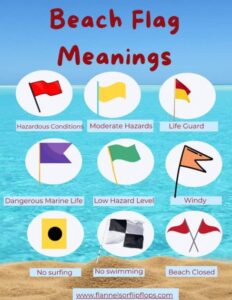
Once you've chosen your beach, familiarize yourself with the beach flag system. These flags are crucial for understanding current conditions and potential hazards:
- Green Flag: Safe swimming conditions.
- Yellow Flag: Caution. Be aware of stronger currents and potential hazards.
- Red Flag: Swimming prohibited due to dangerous conditions.
- Checkered Flag: The beach is temporarily unmanned by lifeguards.
Lifeguards on Duty
Lifeguards play a vital role in beach safety in Portugal. They are trained to spot rip currents and other hazards, and can provide assistance if needed. Look for lifeguard towers and familiarize yourself with their signals. Don't hesitate to ask lifeguards about current conditions or any concerns you may have.
Additional Safety Tips
- Never swim alone, especially if you're not a strong swimmer.
- Always supervise children closely at the beach.
- Don't enter the water after consuming alcohol.
- Be aware of changing tides and currents.
- Don't swim with inflatable toys in rough waters.
- Know your limitations and don't overestimate your swimming abilities.
By following these tips and being aware of rip currents in Portugal, you can have a safe and unforgettable beach experience in Portugal. So pack your sunscreen, grab your towel, and enjoy the beauty of Portugal's stunning coastline – but always prioritize safety first!
Stay safe and have a fantastic summer!

Update: Health Events in the Sunny Algarve
Hey Lovitall community! 🌟
We're excited to announce some upcoming updates!
We'd like to make you the first to know about our new event that we're organizing. It will be held in October.
We'll be sharing more details soon, so stay tuned!
Call for Content: Share Your Stories with Lovitall!
We want to feature YOU on our social media! Do you have a personal story, an advertisement, or a commercial post you'd love to share? Maybe a special moment for your products or services? We'd Love to hear from you!
Also, if you're hosting or attending any events this summer, let us know so we can share the excitement with our followers.
Submit your content and event details to: info@lovitall.pt
Upcoming Health Events
12 July: Healthy Walk with Amber Lot
- Event Description: Join Amber Lot, a breath coach, trainer, and body-mind therapist, for a healthy walk. Learn conscious breathing techniques and discover how to use your breath in a supportive and powerful way.
- Time: 9:00 AM - 10:00 AM
- Price:€15.-
- Location: Alvor Beach
- What to Bring:Comfortable walking shoes, water bottle
19 July: Silent Disco
- Event Description: Dance the night away with our Silent Disco event! Experience the perfect combination of exercise, relaxation, and fun.
- Time: 20:00 PM - 23:00 PM
- Price: €10.-
- Location: Praia Carvoeiro
- What to Bring: Comfortable clothing, dancing shoes
21 July: Full Moon Session with Aromatherapy and breath work session
- Event Description: Embrace the full moon with a session that includes aromatherapy, exercises, and gaining other spiritual knowledge.
- Time: 7:00 PM - 9:00 PM
- Price:47,50
- Location: Lagoa
- What to Bring: Yoga mat, blanket
22 July: Family Constellations with Margaret Krijnen
- Event Description: Seek a deeper understanding of your relationships and explore the transformative power of family constellations. Ideal for those who are aware of carrying burdens from past generations.
- Time:19:00 AM - 22:00 PM
- Price: 27,50
- Location: Healing Center Mexilhoeira de Carregacao
- What to Bring: Open and curious mind, notebook, pen
Stay Healthy and Connected with Lovitall!
For more information or to register for any of these events, please visit our website or contact us at info@lovitall.com.
Stay Lovitall-ly awesome!
Sunny regards
Margaret & Diana
Lovitall - Your Integrated Health Events Organizer
Curious about our last event? Watch the video below
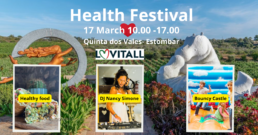
10 reasons to visit the Health Event at Quinta dos Vales
Here are 10 compelling reasons to buy a ticket to the Lovitall Event in Estombar on March 17 for 15 euros is an excellent decision:
- Quinta dos Vales Setting: Immerse yourself in the beautiful surroundings of Quinta dos Vales, known for its stunning scenery and tranquil atmosphere, providing the perfect backdrop for a day of health and wellness.
- Glass of Wine from Quinta dos Vales: Enjoy a complimentary glass of wine sourced from Quinta dos Vales, renowned for its exceptional quality and flavors, setting the tone for a delightful experience.
- Wine Yoga XXL: Experience the unique and invigorating blend of yoga and wine tasting with Wine Yoga XXL. Led by an experienced instructor, it's an inclusive activity where everyone can participate and unwind in a fun and engaging way.
- DJ Nancy: Dance the day away to the beats of DJ Nancy, creating a lively and energetic atmosphere for all attendees to enjoy. It's a celebration of movement and music that's open to everyone.
- Over 40 Stands with Healthy Products/Advice: Explore a diverse range of stands offering healthy products and expert advice on nutrition, wellness, and lifestyle choices. Discover new products and gather valuable insights to support your health goals.
- Informative Lectures: Attend enlightening lectures covering a variety of topics, including hormones, health, and even insights into being left-handed. Gain valuable knowledge and practical tips to enhance your overall well-being.
- How to Move Beyond 50: Gain valuable insights and strategies on how to maintain health and vitality as you age. These sessions provide tailored advice to help you stay active and healthy well beyond 50.
- Massages: Treat yourself to a rejuvenating massage, designed to alleviate tension and promote relaxation. It's the perfect way to pamper yourself and recharge your body and mind.
- Food Trucks: Indulge in a variety of delicious and nutritious food options from food trucks onsite. From fresh salads to wholesome wraps, there's something to satisfy every palate and dietary preference.
- Kids Bouncing Castle: Keep the little ones entertained and active with a bouncing castle, providing hours of fun and excitement while parents explore the event. It's a family-friendly activity that adds to the overall enjoyment of the day.
With all these offerings included in the ticket price of just €15, purchasing a ticket to the Health Event/Market in Estombar on March 17 is an opportunity to invest in your health and well-being while enjoying a day filled with fun, relaxation, and valuable insights.

XXL WINE-YOGA Health Event Standholders Unveiled!
Mark your calendars for the groundbreaking XXL WINE – YOGA Health Event at Quinta do Vales on the 17th of March, where the Algarve's first-ever Health Market will unfold. Beyond a day of appealing experiences, our event boasts a diverse array of standholders that promise to elevate your well-being journey.
Here's a sneak peek of the exhibitors you can expect at the Health Event in the Algarve
🌟 SuKaNic Soundtherapy
🌟 Aotearoa Health & Well-Being
🌟 Health, Wellness & Dance by Dr. Naomi
🌟 Aroma & Flowerhealing by Wicky
🌟 Powered by CO
🌟 Health Therapies Algarve
🌟 Flawless Face & Body
🌟 Hippocampus Soap
🌟 Jàsmìn Gil
🌟 Jomohandmade
🌟 Juice Plus+
🌟 Physiotherapy WellCareMi
🌟 All Life is Yoga
🌟 Suzanne Connects
🌟 Massage Praktijk van der Poel Therapy
🌟 The Root Brands and Solex
🌟 Beasty Beers
🌟 ANTIAGING CLINIC
🌟 Barbaleta institute for growth
🌟 Nancy simone- DJ
🌟 Dr Gynn hormone specialist
🌟 Beauty Salon Verde
🌟 Thai house massage
🌟 Dr. Marcoux chiropractor
🌟 Christien Smit Reiki specialist
🌟 Bianca Holistic GP
🌟 Ioptica opticien
🌟 Pauli Lymphe drynage
🌟 Pure spirit
🌟 Petit Marie foodtruck
🌟 Mama Ester's Foodtruck
🌟 Cat - the cats pyjamas (foodtruck)
🌟 Saarhome
🌟 Pure Passion
From soul-soothing therapies to nourishing products, each standholder is committed to making your health and wellness journey extraordinary.
Do not miss out on this groundbreaking health event! Secure your ticket now for the first Health Event in the Algarve. Buy your ticket online TODAY!
Embark on a day of discovery, indulgence, and holistic well-being. We can't wait to welcome you to the XXL WINE-YOGA Health Event!

Culinary Bliss at the XXL WINE-YOGA Health Event
March 17th, the XXL WINE YOGA HEALTH EVENT is not just about indulging in the perfect blend of wine and soothing yoga sessions. Oh no, it's a appealing symphony of experiences, and right at the heart of it is the star – FOOD!
Brace yourselves for a culinary escapade, as four vibrant food trucks roll in to pamper your taste buds and nourish your soul with delightful treats and refreshing drinks.
These culinary wizards are not just here to feed your body; they're here to elevate your entire event experience. Picture this: an array of delectable options, from wholesome salads to mouthwatering pies and quiches, and of course, the perfect sips to complement each flavor journey.
Prepare to embark on a gastronomic adventure
So, when you're not stretching into your favorite yoga pose or savoring the richness of a fine wine, let the aroma of irresistible dishes draw you in. The food trucks at the XXL WINE YOGA HEALTH EVENT are ready to transform your day into a flavorful journey. Get ready to treat yourself because at this event, we believe in nourishing not just the body but the soul too!
Let us introduce you to the XXL WINE YOGA HEALT EVENT food trucks
Foodtruck Cat- Middle Eastern vibe
My Name is Cat , since turning Vegan over 10 years ago, I have developed a passion for healthy plant based cooking. From markets to cafes, to catering to my food truck I have been serving delicious wholesome food to cater for everyone’s tastebuds💜
I am going to do bagels, falafel wraps, shawarmas and cauliflower wings For the drink is I’ll sell my home brew ginger kefir, I also can provide some healthy treats too.
Jelle will prepare the following:
-Homade ginger beer
-Surinaamse broodjes kip kerrie
-Springrolls
-Summer rolls
-Bao met pulled chicken
We will make homemade, healthy dishes with local products:
- tofu sandwich on sourdough bread
- Quiches
- Focaccias
- Empadas
Diferent kind of pastries without refined sugares and some sourdough cakes. You can enjoy a cup of tea or a natural juice. We will also have gluten-free options.”
Mama Ester's Foodtruck
It is with great excitement and a hint of nerves that I, Ester, along with my son Sally, embark on our adventure as food truck owners. We have turned our dream into reality and are ready to share our delicious dishes with you at the XXL Wine Yoga Event!
We will be serving our fresh fries, juicy pulled pork, crispy coleslaw, refreshing fruit salad, wraps and fingerfood.
Whether you come for the wine, the yoga, or just for the food, we promise you'll have an unforgettable experience.
Secure your entrance ticket today to skip the long queues!
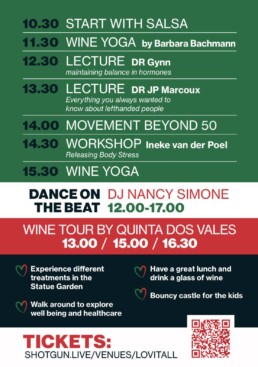
Program Health Event
We are delighted to present the program for THE Health Fair 2024 at Quinta dos Vales.
Get ready for a day dedicated to well-being and discovery! Our Health Fair brings together experts, workshops, and activities to empower you on your journey to a healthier lifestyle. From informative talks by renowned health professionals to hands-on workshops and a vibrant marketplace featuring the latest in wellness products, there's something for everyone.
Join us on 17th March at Quinta dos Vales, where health meets happiness. Be part of a community focused on fostering a healthier and happier you!
Program

We look forward to seeing you there! 🌿💚
17 March Health Event-prioritize your health and well-being
Health Event at Quinta dos Vales
With boundless enthusiasm, Lovitall is thrilled to announce our upcoming XXL WINE YOGA - HEALTH EVENT on the 17th of March 2024. This event is a celebration of wellness and health, featuring an exhilarating line-up of activities designed to inspire and motivate you on your wellness journey.
Whether it's dancing, engaging in our XXL wine yoga, or enjoying a rejuvenating reiki/ different massage session, each experience is tailored to make you feel better.
Our inaugural major event promises fun for the whole family while offering a unique opportunity to explore various health insights, both conventional and alternative.
Wine Yoga XXL: Enrich your Mind, Indulge your Senses
Quinta dos Vales is the picturesque setting for our event, and a highlight is our distinctive Wine Yoga session. Find the perfect balance between body and mind through gentle yoga poses guided by experienced instructors. What makes this session truly special is the infusion of elegance – we're introducing Wine Yoga, blending the serenity of yoga with the pleasures of wine. It's a one-of-a-kind experience not to be missed!
What else awaits you at our Health Event?
- Responsible food trucks
- Presence of leading health experts
- Health screenings and advice from professionals
- Special lectures by top experts (covering topics like hormone balance, the significance of handedness, and more)
- Relax with a soothing massage
- A vibrant market showcasing healthy products and wellness services, providing education in various areas
- A children's playground, featuring a dedicated kids' area with bouncy castles
- Dance under the sun with DJ Nancy Simone
Practical information
- Date: 17th of March 2024
- Location: Quinta dos Vales, Estombar
- Time: 10:00-17:00
- Price: €15 inclusive one glass of wine (children up to 12 years for free)
- Buy your entrance ticket now
Don't miss this opportunity to prioritize your health and well-being. A Lovitall ticket grants you access to a program centered around themes of sport, health, food, and fun. Explore the heart of the festival, a bustling market, or get inspired by the latest products to make your life a bit healthier even outside Lovitall.
Nowhere else will you find such a concentration of experts in one festival. We bring you and the largest health network in Portugal together. Elevate yourself by investing in your well-being. Health in festival style. Nowhere are there as many healthy lifestyle opportunities as at Lovitall Health Festival.
We look forward to welcoming you to our Health Event and creating a day of health, happiness and inspiration together!
Do you want to participate?
Do you want to participate in the health market with a stall, food truck, or another creative, healthy initiative?
Email us at info@lovitall.pt

23 February-Healthy Walk & Talk with Dr. Gynn
Get ready for a healthy stroll like no other on February 23rd - "Walk & Talk with Headsets"!
Ever wondered why a healthy walk is so beneficial? Studies show that walking not only boosts your physical health but also enhances information absorption.
Join Dr. Gynn, a renowned gynecologist and hormone specialist, as she leads us through a captivating segment of the 7 Hanging Valley Trail. Brace yourself for an insightful talk on hormones – she'll either get you ready for the menopause journey or guide you through it with a smile ;)
Picture this: a brisk, yet inspiring one-hour walk along the scenic 7 hanging trails in Carvoeiro. It's a unique opportunity to exercise both your body and mind.
Hurry! We've got space for 25 enthusiastic individuals. Lace-up those walking shoes, grab your headsets, and let's embark on a journey of wellness together!

Practical details of the healthy walk
Date: 23 February
Start: 9.30am
Location: start and finish: parking Rocha Brava
Price: €15 p.p. (excl. drink afterwards), pay cash on arrival
Subscribe: https://forms.gle/RsKrV3K7PEvcyCZM9
Afterwards, there will be an opportunity to have a cup of coffee for those who wish.
Seven Hanging Valley Trail
Stunning views. Stunning coves. Stunning geology. Stunning sunsets. The Seven Hanging Valleys Trail is not to be missed – and yes, it is easy to get excited about this gorgeous trail that guides you through some of the most striking natural gems in the Algarve.
The Seven Hanging Valleys Trail is a scenic coastal trail in Algarve in Portugal.
Clinging to the coast the whole time, this spectacular walk stretches between Praia da Marinha beach and Praia de Vale Centianes beach.
As you amble across ocher-colored cliffs jutting out of cerulean-colored waters, you’ll be convinced that Southern Portugal is one of the most stunning coastal regions in the world.
Why is it called the the Seven Hanging Valleys?
Good to know: The 'hanging valleys' were created by the erosive action of seven seasonal streams. These valleys are now 'hanging' because the soft, calcareous coastline has receded quite abruptly in the past, leaving the watercourses' mouth not on the beaches but rather on the cliffs higher above.
Come and join the Walk & Talk with Ginny.
This is part of the Lovitall-event 17 March. A large Health Event at Quinta dos Vales. Be there!